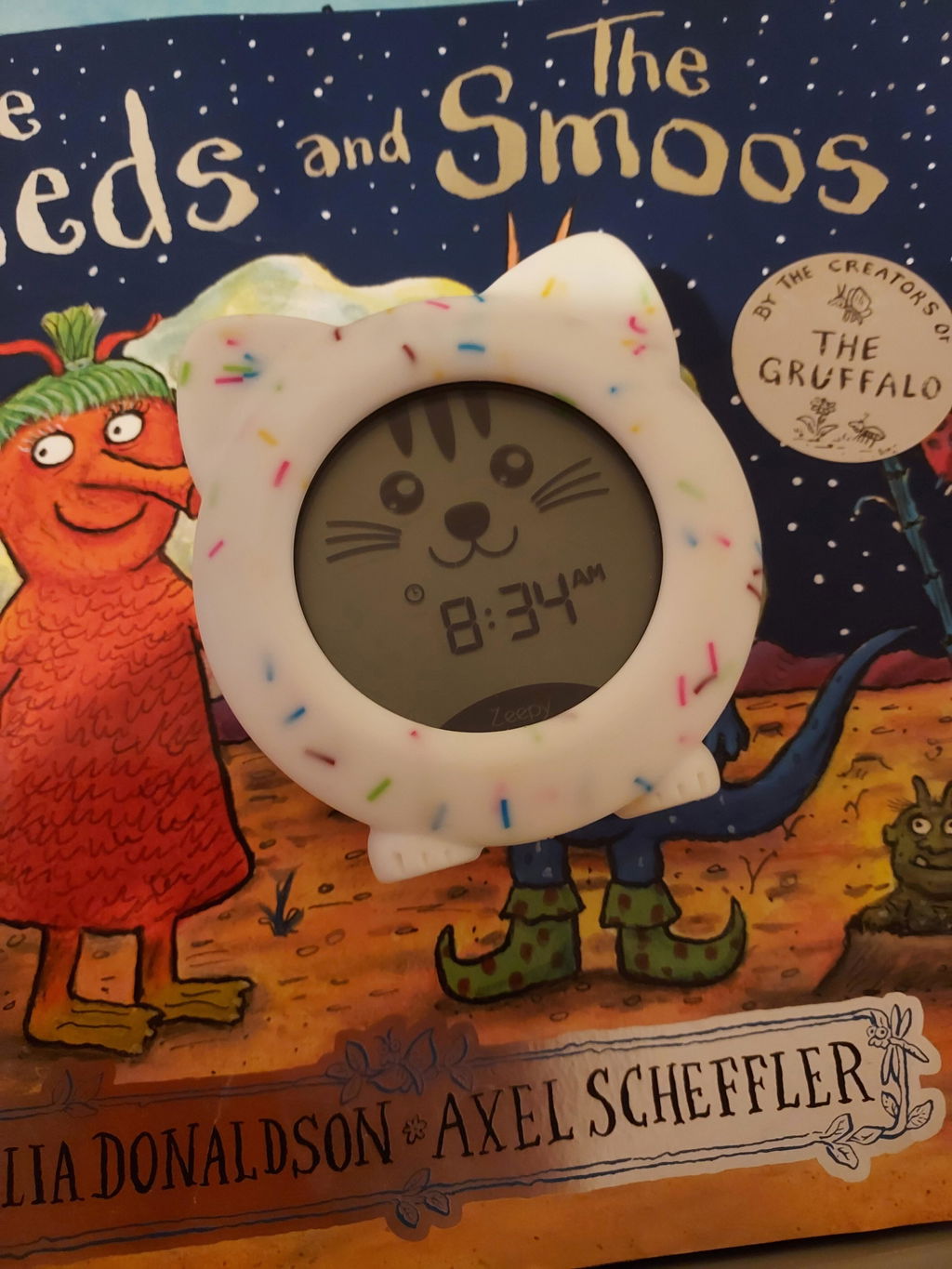
Uh oh. You bought the clock, set it up, explained how it works and voilà!
…it made no difference.
Your child is still getting out of bed after they've been tucked in, or appearing at your bedside at 5 am. Or maybe both.
If that sounds familiar, don't panic. Children ignoring their sleep clock, particularly when it's new, is incredibly common. As one Zeepy parent put it:
The good news is, most kids do. It can take a bit of time to catch on, but usually weeks, not months. And understanding why they're ignoring the clock can help you decide how best to nudge them in the right direction.
Based on feedback from parents, and from our experience with our own children, here are the most common reasons a child may be ignoring their sleep training clock.
Why your child might be ignoring their sleep clock
-
They don't fully understand how it works yet
We designed the Zeepy clock with little ones in mind, using colours and faces to show them where they are in their bedtime and morning routine. That said, it's still a brand-new system for them to learn.
When you explain what each colour and face means, they may understand it perfectly well in the moment. However, remembering what it means at 5 am, when they've just woken up and want to find you, is a different story.
One of the best ways to help it sink in is to practise during the day. Pretend it's bedtime, change the clock to one of its different phases and ask your child what they're supposed to do. Then try another phase. Turning it into a little game gives them a chance to learn the signals when they're awake, calm, and able to concentrate.
It can also help to use the Zeepy App alongside the clock. Bedtime stories, sounds, and meditations from Kip the Kitty and Slumber the Sloth keep your child company while reinforcing each stage of the routine, giving them something familiar to focus on instead of calling out for you. Play the app through your phone or a smart speaker.
-
The clock isn't integrated into a broader routine
A sleep trainer clock is a useful tool, but it isn't a magic solution on its own. It works best when it's paired with a consistent bedtime and morning routine. The clock reinforces the routine, and the routine reinforces the clock.
That's one of the reasons we designed the Kip Clock around four different stages. Rather than simply switching from "sleep" to "wake", it helps guide your child through winding down, sleeping, waiting, and getting up for the day.
Try to keep the sequence of your routine consistent. For example: bath, pyjamas, storytime, bed. The exact timing can shift from night to night (some nights may run late, others may need to kick off early), but keeping the same basic order gives your child a familiar pattern to follow.
-
The wake-up time is too big a jump
This one has a fairly practical solution. If your child is used to waking up at 5 am, setting the clock for 7 am straight away may simply be too big a jump.
Instead, start with a more achievable target. You might aim for 6 am first, then gradually move the wake-up time later once they're consistently following the clock.
Remember, the first goal isn't necessarily to make your child sleep for two hours longer. It's to teach them that waking up doesn't automatically mean it's time to get out of bed. Once they've learned that, you can build from there.
-
The boundaries around the clock need reinforcing
This one is where you come in. If you've been using the clock for a couple of weeks and your child is still ignoring it most nights, it's worth asking whether you're consistently backing up what the clock is telling them.
That's easier said than done, especially when they're upset or standing beside your bed at 5 am. But if you give in whenever they ignore the clock, they may start to see the clock as optional.
If they get out of bed too early, calmly take them back, give them a cuddle, remind them that Kip is still asleep, and leave again. The message doesn't need to be harsh, just consistent.
Positive reinforcement around the clock is important, too. Use whatever reward system your child already understands (e.g. a star chart, stickers, a trip to the café) plus lots of praise when they get it right. The Zeepy App can help here too, with a reward song, story, or guided morning activity for children who stay in bed until Kip the Kitty wakes up.
The goal is to make both sides of the message clear: get up before the clock turns blue, and it's back to bed. Stay in bed until it does, and get a little reward.
-
Something else is disrupting their sleep
Illness, travel, nightmares, toilet training, developmental changes, or a sleep regression can all throw off a routine that was working perfectly well before.
If your child was following the clock and suddenly stops, think about what else might have changed. In those moments, keeping the clock and routine in place can actually help by giving them something familiar to come back to once things settle down.
-
The clock isn't in the right place
Sometimes, it's that simple. If your child can't easily see the clock from their bed, they're much less likely to use it as a cue when they wake up.
Make sure you've placed it somewhere clearly visible from where they sleep, so they can check the colour or face without having to get out of bed first. A small change in position can make a surprisingly big difference.
A little practice is part of the process
There's almost always a short settling-in period with a sleep trainer clock. Kip and Slumber are designed to be taught gradually, so it's completely normal for your child to need a little time to learn what the colours, faces, and different stages mean.
What to do this week
- Practise using the clock during the day, when your child is awake and relaxed.
- Download the Zeepy App to reinforce the routine alongside the clock.
- Keep the bedtime sequence consistent, even if the exact timing changes from night to night.
- Set a realistic wake-up goal and move it later gradually if needed.
- Show your child that the clock isn't optional through consistency and positive reinforcement.
- Celebrate the wins with plenty of praise and whatever reward system works for your family.
Most importantly, don't feel defeated if it doesn't work immediately. Give your child a chance to learn the routine, and look for small signs of progress over the next week or two.
Stick with it (it's worth it)
Rome wasn't built in a day and, unfortunately, neither are sleep habits. If your child hasn't taken to their Zeepy clock as quickly as you'd hoped, believe us, we get it.
Zeepy clock not clicking yet: parent FAQs
How long does it take for the Zeepy clock to start working?
Usually a week or two. Treat the first fortnight as practice rather than a test of whether the clock "works". With consistent repetition and a steady bedtime sequence alongside it, the cues become familiar and things start to click.
What if my child wakes well before the clock's wake-up time?
Start with a wake-up target that's only slightly later than their current one — try 6am before 7am, for example. Once they're consistently following that, nudge it later. The first goal is teaching them that waking doesn't automatically mean getting up.
Should I take my child back to bed every time they get up too early?
Yes — calmly and consistently. Give them a cuddle, remind them that Kip is still asleep, and leave again. If you give in sometimes, the clock starts to look optional. Pair the boundary with real praise when they do stay in bed.