You read the last page of their book, you pull the duvet up to their chin, and you kiss them goodnight.
But just as you’re turning to leave, you hear a small voice.
“Will you stay a bit longer?”
It’s not a tantrum. They’re not crying or grabbing your arm or whining for another story. They’re just not ready to be alone.
Loneliness at bedtime isn’t exclusive to young children. It’s a feeling most of us experience at one time or another. It’s also entirely understandable. After a busy day full of people, play, and conversation, being left in a dark, quiet room leaves a lot more space for lonely feelings to creep in.
So, given that their feelings are real and reasonable, how can you support your child while also reassuring them that they’re safe and loved even when you’re not physically next to them? How can you acknowledge their feelings and offer comfort while still teaching them to settle and fall asleep on their own?
It helps to understand where these feelings of loneliness come from, and why they tend to surface at bedtime. From there, you can acknowledge how they’re feeling and find small, consistent ways to reassure them, without needing to stay by their side all night.
What loneliness at bedtime actually is
For a young child, loneliness at bedtime can feel like a mix of sadness, boredom, and longing. They might feel just…off. Like something is missing.
Sometimes their loneliness is strong and upsetting. Other times, it’s just a little pang that sits heavy in their chest, uncomfortable, but not overwhelming. As with so much of parenting, you know your child best. Paying attention to how they behave at bedtime, and whether anything has recently changed, will help you judge how much weight to give it.
Common causes and triggers
-
Before, during, or after a big change
Starting nursery, moving house, changing bedrooms, or a close friend moving away can make a child more aware of being alone.
-
Highly social children
Some children are simply social butterflies. For them, the sudden dark and quiet of bedtime may feel especially stark.
-
Spending more time alone than usual
If your child has been stuck at home poorly or hasn’t had their usual level of socialising, they may notice the solitude more at bedtime.
Loneliness vs. separation anxiety
Loneliness and separation anxiety aren’t quite the same thing, although they sometimes overlap.
Separation anxiety is the distress of being separated from a parent or caregiver. However, a child who feels lonely at bedtime may be perfectly comfortable with you leaving. What they struggle with is what comes afterwards: the empty room, the silence, and the feeling that everyone else is somewhere together while they’re by themselves.
Finding the words to talk about it
Young children rarely announce, “I’m feeling lonely.”
They’re more likely to say “I don’t like being by myself,” “my room is too quiet,” or simply ask you to stay a little longer.
If your child is trying to tell you how they feel, giving them language for it may help. You might say, “It sounds like you’re feeling a bit lonely tonight,” and see whether that feels right to them.
But follow their lead. There’s no need to bring up loneliness the next afternoon if your child hasn’t mentioned it, or repeatedly ask them to explain how bedtime makes them feel. Sometimes, giving a passing feeling more attention than it needs can make it loom even larger. You know your child best. Some children like talking things through; others become more preoccupied with a feeling the more you discuss it.
Come up with a plan, together
If they do want to talk, their own ideas are often the most useful place to start. “What would make your room feel a bit nicer when I leave?” might produce a surprisingly practical answer. For example, leaving the door open, agreeing that you’ll check on them in five minutes, or putting on a favourite bedtime story. They may come up with something you wouldn’t have thought of, and they get to take a bit of ownership over what bedtime looks like.
What helps
Helping your child feel less lonely at bedtime often comes down to small things that remind them: you may be alone in this room, but you aren’t really alone.
- Leave something of yourself behind. Many children find it comforting to have something they can hold or look at. For example, a family photograph beside the bed, one of your cosy jumpers to cuddle, or a little note or drawing tucked under their pillow.
- Crack the door, let sounds drift in. We often think bedrooms need to be completely quiet for sleep, but some children find silence lonely. Leaving the door slightly open means they can still hear life carrying on elsewhere: muffled conversation, someone loading the dishwasher, footsteps on the stairs…
- Play quiet music or a bedtime story. A familiar voice or piece of music gives them something to listen to when the room suddenly feels very quiet. Zeepy has bedtime stories, meditations and calming sounds on the Zeepy App, as well as free bedtime stories on the Zeepy podcast.
- Create a special bedtime ritual. It doesn’t need to add another twenty minutes to bedtime. Just a small, regular action that makes them feel special and loved. Three squeezes of the hand that mean “I love you,” a brief poem while you stroke their hair, or the same silly goodnight phrase every evening can give them one last little moment with you before you leave.
- Talk about tomorrow. Night feels long when you’re small. If your child seems sad that the day is ending, spend a minute talking about what comes next. “When you wake up, we’ll have porridge, get dressed, and then Grandma is coming over.” Morning suddenly feels a little more concrete and a lot closer.
- Let them shape their space. Give your child some say over what bedtime looks and sounds like. Would they like the door open or nearly closed? The nightlight on? Teddy beside them or tucked under the covers? A story playing or quiet music? A few small choices make the bedroom feel more like their space.
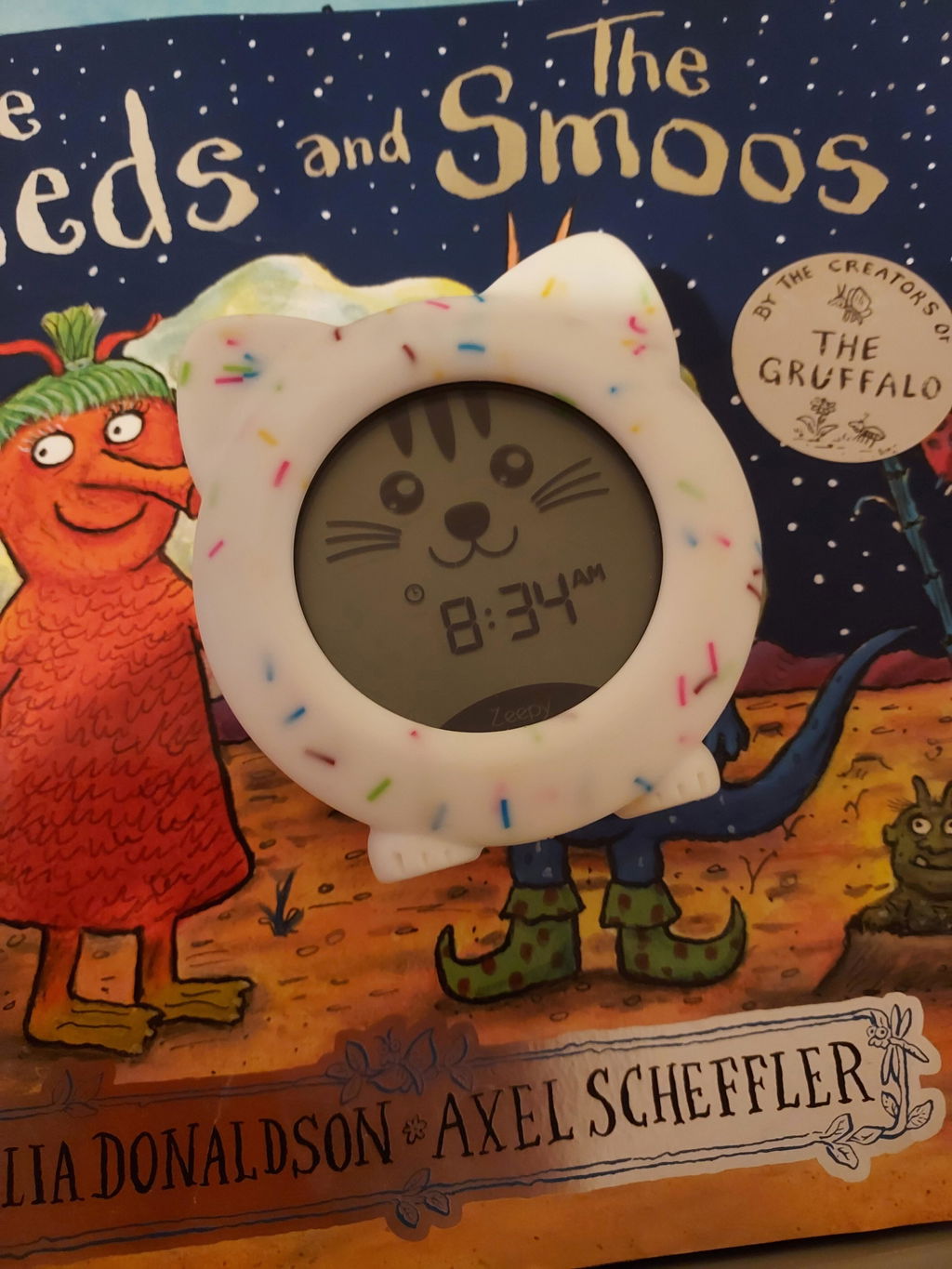
- Use a sleep training clock as a physical anchor. This gives your child something steady to orient themselves around, helping bedtime feel a little more predictable. Zeepy’s bedtime clocks use simple visual cues to show when it’s time to sleep and when morning has arrived. For a child lying awake wondering how much night is left, a quick glance can answer the question without needing to call out for you.
What not to do
-
Don’t dismiss it
Saying “There’s nothing to be lonely about” probably won’t make them feel less lonely. It might even make them feel guilty for feeling that way, and less likely to tell you about it next time. Instead, listen and let them know you understand.
-
Don’t stay until they fall asleep every night
Some nights, they might really need you to stay a little longer. But if you want them to eventually fall asleep alone, try not to make your presence a requirement every night.
-
Don’t make it bigger than they have
Hearing that your child feels lonely might send your parent brain into overdrive. But try to avoid repeatedly asking whether they’re feeling better, or bringing it up every night, as that may give the feeling more weight than it needs. Instead, listen, offer reassurance, and keep taking your lead from them.
Learning it’s okay to be alone
Learning to spend time alone is part of growing up. For many young children, bedtime is their first regular experience of it.
It takes practice. A consistent routine, a favourite teddy, and hearing you pottering around downstairs may all make the room feel a little less lonely after you leave.
For a little extra company at bedtime, explore the Zeepy Story Hub or take a look at the Kip and Slumber bedtime clocks.