If your child suddenly becomes their most energetic, talkative, and persuasive self right before bed, you're not alone.
Bedtime resistance and stalling are among the most common sleep struggles for children aged 3 to 6. But they're also one of the most fixable.
In this post, we explore why stalling happens, what your child might be trying to tell you, and the gentle, proven tools that help bedtime become calm (and maybe even enjoyable) again.
You'll also learn how to create a bedtime routine that works, how to stop your toddler delaying bedtime, and what really helps when your child says, "I'm not tired yet!"
"But I'm not tired!" - why resistance shows up
Between ages 3 and 6, children become masters of negotiation. Their imagination is blooming, they're developing independence, and bedtime is the perfect stage for testing boundaries.
Add in a bit of separation anxiety and a dash of FOMO (fear of missing out), and you've got a recipe for delay tactics:
- "I need water"
- "One more story"
- "I forgot to tell you something important!"
- "Wait! I need to go to the toilet again"
The good news? This behaviour isn't bad, it's a signal. It means your child needs help making the transition from busy, connected, playful time to quiet, independent sleep.
The best response: a routine that does the work for you
A short, calming routine done in the same order most nights can reduce bedtime stalling dramatically. Why? Because it takes the drama out of decision-making.
Instead of negotiating each night, your child begins to rely on predictable steps to wind down:
- Bath or wash
- Toilet and teeth
- One or two quiet steps (story, cuddle, gentle breathing)
- Lights out
If you're searching for the best bedtime routine for toddlers or wondering how to get your child to sleep without a fight, this is where to start.
Research from the Sleep Foundation and behavioural experts like Dr Jodi Mindell shows that positive routines help children settle faster, wake less at night, and feel more secure overall.
Try the 'one-pass' rule
One research-backed tool for stalling is the one-pass rule. Here's how it works:
- Let your child choose one last thing they can do after lights out (e.g. a sip of water, one last hug, checking under the bed).
- They get one pass, once they've used it, it "goes to sleep."
- If they try to stall again, gently remind them that their pass is sleeping, and so are you.
If you've ever searched how to stop bedtime battles with my 4 year old or toddler keeps stalling at bedtime, this trick might become your new favourite.
Praise the behaviour you want
Children aged 3–6 are highly responsive to positive attention. Acknowledge the moments they follow the routine without protest:
- "I loved how you got into bed so calmly tonight. That was brilliant."
- "You brushed your teeth without being asked! High five."
Try a simple reward chart if needed—but always pair it with real praise.
This is key if you're searching how to motivate my child to follow bedtime routine.
How Zeepy can help
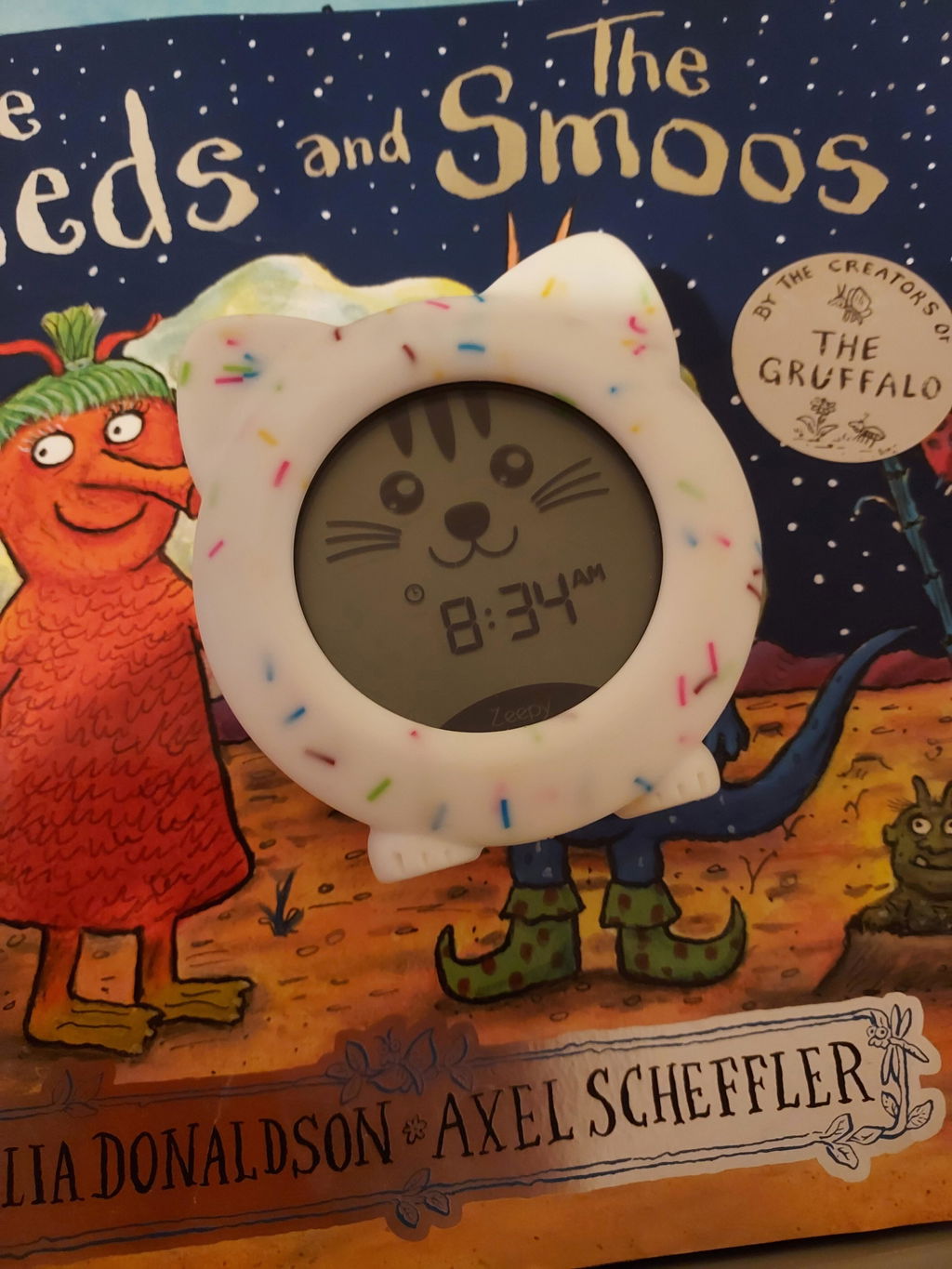
The Zeepy Sleep Clock uses colour cues to show when it's time to wind down (purple) and when it's time for sleep (orange). This gives your child a visual signal to help them shift gears.
And if your child struggles after lights out, the Zeepy Sleep Podcast is the perfect next step. Short, soothing episodes with Kip the Cat help keep the mood calm while teaching gentle sleep skills.
Many parents have told us it's been a game-changer when trying to figure out how to help my child settle at night.
Try this tonight
- Keep your bedtime routine short and repeatable
- Use the same calm steps in the same order
- Introduce the one-pass rule
- Let Zeepy's lights guide the way
Swap screens for the podcast (especially if your child says, "But I'm not sleepy yet!")
Bedtime resistance: parent FAQs
How long does it take to see less bedtime resistance after starting a new routine?
Most families notice a shift within a week or two. The first few nights often look the same as before, then resistance starts to soften as the sequence becomes predictable. Three nights of consistency is often enough to see the first real change.
What if my child uses up their one-pass and still keeps asking for things?
Stay calm and consistent. Gently remind them that the pass is sleeping (and so are you), and don't add new passes or negotiate. The pass works because it's a clear, finite boundary — bending it once teaches your child that stalling pays off.
Should I use a reward chart for bedtime?
It can help, but only when paired with real verbal praise. Children aged 3 to 6 respond strongly to noticing — a sticker matters less than the moment you actually catch them following the routine and name it out loud.